Demographic Shifts and Housing Demand: What Real Estate Professionals Need to Know
sparkaffinity |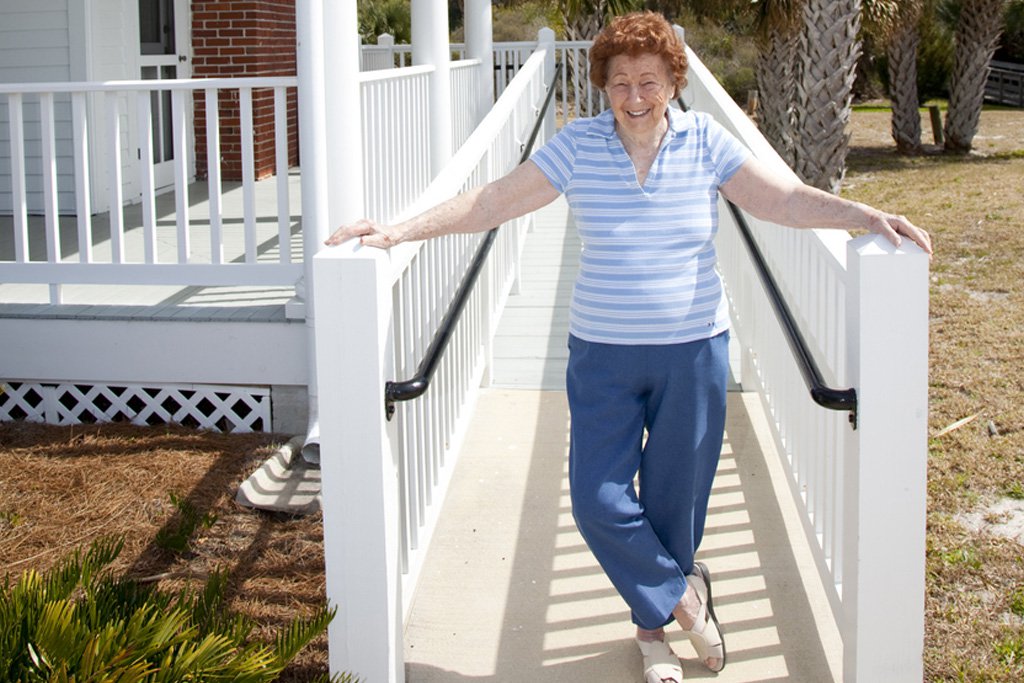
As the U.S. population ages, real estate professionals are navigating a shifting housing landscape. Baby boomers, many of whom are choosing to age in place, are reshaping demand, supply and pricing in markets across the country. For brokers and agents, preparing for this demographic shift isn’t optional — it’s essential to your success. Continue reading for a breakdown of this trend, its impact on your industry and ways you can prepare.
Our Aging Population and Its Impact
America’s senior population is growing rapidly. According to the National Council on Aging, by 2030, all baby boomers will be older than 65. It’s also believed that just five years later, seniors will outnumber children for the first time in history. This transformation will bring both challenges and opportunities to the housing market, such as:
- Increasing demand for senior-friendly housing
- Reducing inventory as older homeowners delay selling
- Rising prices due to constrained supply
Many aging homeowners are choosing to stay in their homes longer, either due to emotional ties, affordability concerns, a lack of desirable downsizing options or a combination thereof. This trend is already causing a pinch in housing supply, especially in high-demand areas.
How Real Estate Professionals Can Respond
To remain competitive and responsive, agents and brokers must understand the evolving needs of this demographic — and ways to serve them with empathy and expertise.
1. Specialize in Senior Real Estate Services
Consider earning credentials like the Certified Senior Housing Professional (CSHP) designation from the Seniors Real Estate Institute. Valuable programs like this one can equip you with the knowledge to handle the financial, emotional and logistical challenges that can occur when working with aging clients during real estate transactions.
2. Promote Senior-Friendly Listings
When working with seniors or trying to earn their business, focus your listings and marketing efforts on homes that meet common needs for those desiring to age in place, which can include:
- Single-level living
- Wide doorways and hallways
- No-step entryways
- Accessible bathrooms and kitchens
Highlight these features clearly in your property descriptions so they are front and center.
3. Build Partnerships with Senior Service Providers
Connect with local senior living consultants, such as in-home care providers, estate planners and downsizing specialists. Being part of a trusted network that’s familiar with the complex needs of an aging population can help you guide clients through this time of transition, something that can earn you more referrals.
4. Educate and Advise Thoughtfully
Many older homeowners aren’t just selling a house — they’re closing an important chapter in their lives. Offer clear, compassionate advice about market conditions, timing and available options. Consider hosting senior-focused workshops or webinars that concern topics important to them, such as downsizing, reverse mortgages or multigenerational living.
SPARK Offers Support and Insight as Your Career Evolves
The demographic shift isn’t coming; it’s already here. Brokers and agents who understand the senior market will unlock new opportunities, drive value for clients and differentiate themselves in an increasingly competitive space.
At SPARK, we support real estate professionals at every stage of their business evolution —with member-only tools, insights and benefits designed to help you navigate market changes with confidence.
Click here to explore how becoming a SPARK member can help you meet tomorrow’s housing needs today.