Top Ten Ways to Risk Proof Your Real Estate Open Houses
Harry Lew |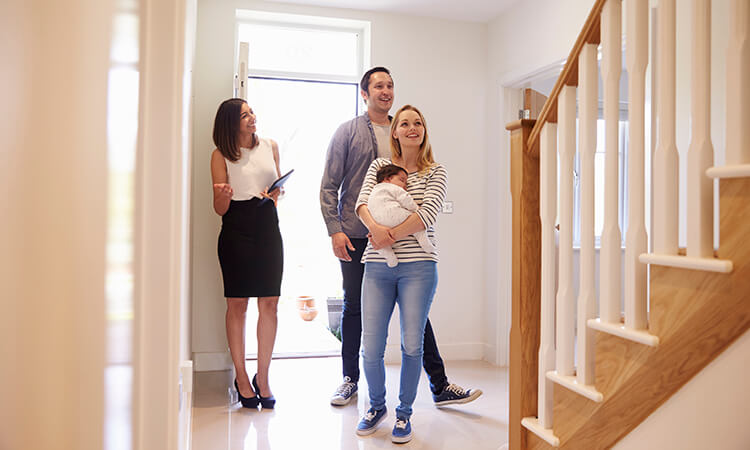
Although the Internet has revolutionized how real estate agents market client homes, showings and open houses are still go-to methods for attracting potential buyers to a property and putting them on the road to purchase. But that’s the upside to these marketing tactics. The downside is they also come with property-damage and bodily-injury liability risks that can spark legal problems for agents and/or brokers. And if that person—you—lacks open-house/showings coverage in your E&O insurance policy, you could be out of luck should you get sued . . . and lose.
It’s not hard to imagine the dangers of hosting a showing or open house. Many bad things can happen to put you in legal jeopardy:
- A guest can trip and fall while climbing or descending a staircase.
- A visitor’s child can get hurt while playing in the backyard.
- Someone might drop a valuable Lladró figurine or knock over an expensive lamp.
- A guest might pour hot coffee on him or herself (or you might).
- Someone might steal an expensive piece of jewelry from the owner’s bedroom.
- The owner’s dog might bite a visitor’s child on the face.
- A person can fall through the floor of an unfinished attic, sustaining serious injury.
- A guest might get hit with items falling off a shelf.
Those are just a few of the risk exposures. The full array of possibilities would be too long to list here. The point is, every time you conduct an open house or showing, you are exposing yourself to substantial risk . . . and putting all of your personal savings and assets on the line should you get sued. Are you fully protected in case this happens? Of course, you are . . . you have E&O insurance, right?
Not so fast. Just because you have E&O coverage doesn’t mean you have full protection for open houses and showings. If you participate in your firm’s E&O insurance policy, you might have coverage against bodily-injury lawsuits. But some policies might not provide it if you’re working outside the office or engaged in sales activities (i.e., doing a showing or open house!). What’s more, if you have your own E&O insurance policy, check to see if it excludes such events. Some insurers might allow you to add a separate showing/open house endorsement for an extra fee. But you need to secure (and pay for) this add-on feature yourself.
Now, you might be wondering if the property owner’s insurance is responsible for bodily injuries or property damage. Perhaps, but what if the person lapsed his insurance or failed to purchase sufficient policy limits. In that case, the legal liability might return to the agent or broker. Plus, even if the homeowner has enough insurance, some courts have held that real estate salespeople sponsoring sales events are legally responsible for inspecting the property and for warning prospective purchasers of safety hazards and defects. As a result, says REALTOR® magazine, agents/brokers “can be held jointly responsible with the landowner for inspecting the property and warning buyers of any dangerous conditions.”
Bottom line: if you wish to conduct open houses and showings without exposing yourself to legal peril, it’s important to verify that your E&O insurance policy has your back. If not, ask your E&O broker or insurer to add the necessary endorsement to your contract. If that’s not possible, then you’ll need to shop for a new policy.
Once your insurance safety net is in place, it’s time to reduce your lawsuit risk when hosting an open house or showing. Here are 10 powerful steps you can take to keep prospective buyers safe:
- Before the event, walk through the property with the owner to identify potential risks. Then take steps to remediate each one. If your client can’t fix or remove the problem, place warning signs as needed.
- Advise the owner to remove valuable personal property from the home or to place it in a locked room or safe.
- Remediate trip hazards such as loose rugs, electric cords, or random toys.
- Pay special attention to a home’s stairways. Make sure they are cleared of debris and clean. Advise visitors to use railings when climbing up or down.
- Remove or secure all prescription medications, especially narcotics.
- Stow all firearms and weapons and hide all gun storage cases or boxes.
- Remove all cats and dogs from the home or put them in a place away from visitors.
- Post warning signs near doors that open to stairs or near any other hazardous areas.
- Post “Do Not Touch” signs on backyard playscapes.
- Lock swimming-pool areas, hot tubs, or dangerous recreational equipment.
Although there are many other ways property visitors can get hurt, the key is to have a process for mitigating risks before and during your events. Consider developing an inspection checklist (using many of the points in this article) and run through it before every showing or open house. Then on the day of the event, carefully monitor visitor behavior and advise them to exercise caution as needed.
In conclusion, when it comes to hosting productive—and safe—showings and open houses, effective planning will prevent trips, falls, and other problems that can spark a legal nightmare. Protect your visitors, clients, and yourself . . . make all your events as safe as humanly possible. Good luck!